MERMA CERO — ZERO-LOSS FOOD SUPPLY CHAIN
Reducing Food Loss Through Smarter Supply Chains.
Engineering Efficiency. Protecting Resources. Creating Measurable Impact.
Merma Cero is a technical food loss reduction initiative designed to help American food manufacturers, cold-chain operators, distributors and grocery retailers identify, measure and systematically reduce food loss throughout their operations.
Founded by Food Engineer Julián Andrés García Otálvaro, the program integrates more than two decades of supply chain experience with standardized operational procedures, specialized training and performance measurement.
Beginning in South Florida, Merma Cero is designed to develop into a replicable methodology for the U.S. food industry.
THE CHALLENGE
America Produces More Food Than It Can Afford to Waste.
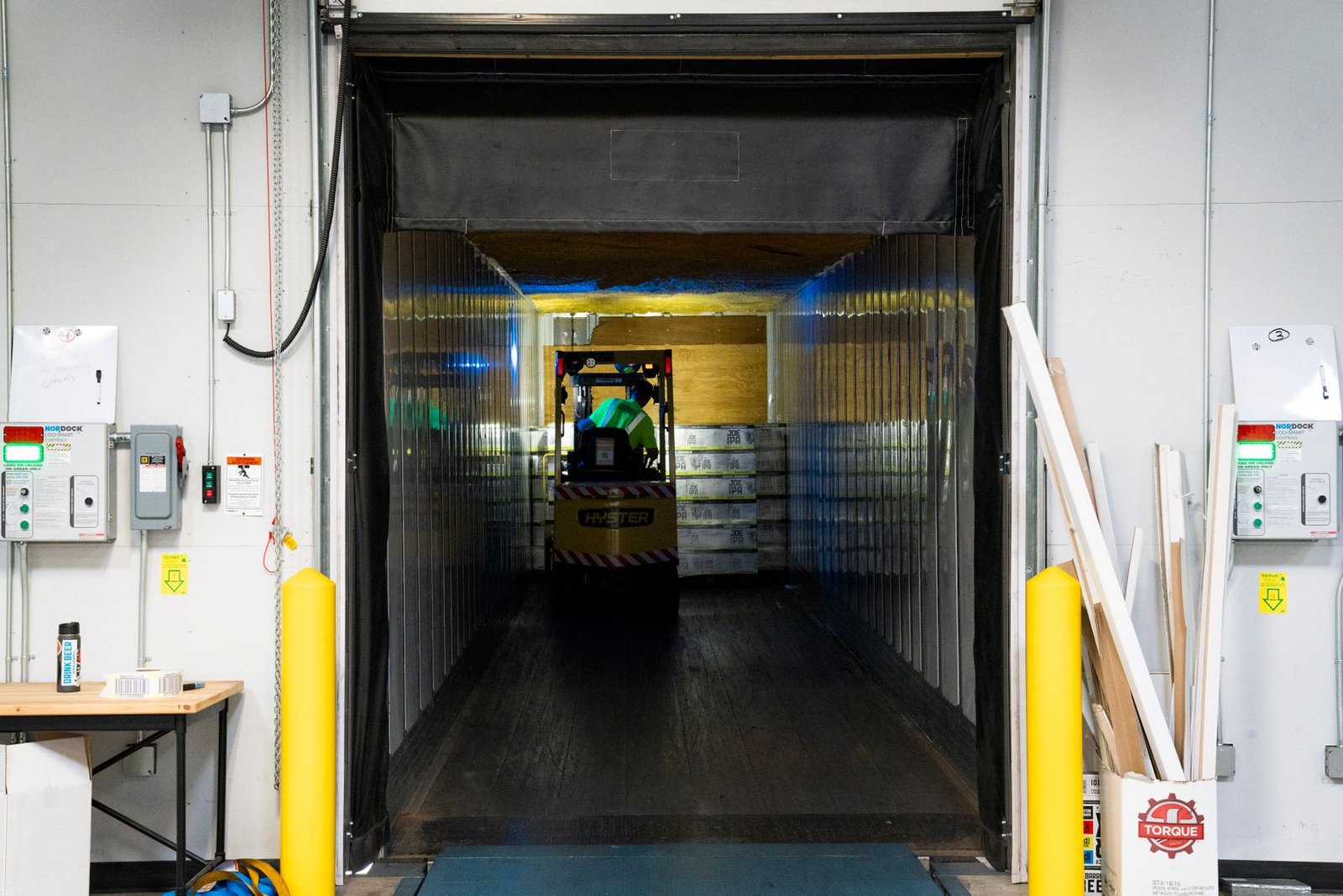
Food loss and waste represent a major challenge for the American food system. From inaccurate demand forecasts to inefficient inventory rotation, inadequate temperature control and damaged products during transportation, avoidable losses can accumulate across every stage of the supply chain.
These losses represent more than discarded food. They also represent wasted financial resources, operational capacity, transportation, energy and opportunities to strengthen food availability. Merma Cero is designed to address these inefficiencies directly through measurable operational improvements.
0%
Estimated share of the 2024 U.S. food supply that went unsold or uneaten
ReFED estimate, full supply-chain scope
$0B
Estimated value of surplus food in 2024
ReFED
0B lb
Food loss at retail and consumer levels
USDA's 2010 baseline — not a 2024 figure
0%
Estimated share of fugitive methane emissions from U.S. municipal solid-waste landfills associated with landfilled food waste
EPA research published in 2023
Sources: ReFED (2024 estimate), USDA Economic Research Service (2010 baseline), U.S. EPA (2023 research). Different methodologies and scopes; figures should not be compared as a single-year series.
OUR PURPOSE
Transforming Food Loss Into Operational Opportunity.
Merma Cero is built around a straightforward principle: reducing food waste begins with understanding where and why it occurs.
Our proposed methodology brings together food engineering, demand planning, inventory management, cold-chain optimization and performance monitoring.
By identifying preventable losses and introducing standardized operating procedures, the program aims to help food businesses recover value, improve productivity and strengthen operational resilience.
Every improvement in the food supply chain creates an opportunity to preserve resources and increase efficiency.
THE MERMA CERO METHOD
Four Pillars. One Integrated Approach.
The four pillars summarize the plan; the detailed technical methodology appears in the eight operational solutions below.
Diagnose
Measure What Matters.
Identify and quantify food losses at every critical stage of the supply chain, establishing a measurable operational baseline.
Standardize
Optimize Every Process.
Introduce structured procedures for demand forecasting, inventory rotation, cold-chain handling and logistics operations.
Empower
Build Operational Capabilities.
Provide practical training designed to help employees understand and consistently implement loss-prevention procedures.
Monitor
Make Improvement Measurable.
Establish performance indicators, operational dashboards and monitoring routines to evaluate progress against the initial baseline.
OUR EXPERTISE
Eight Operational Solutions for a More Efficient Food Supply Chain.
Food Loss Diagnostics
Identify losses across receiving, storage, transportation and distribution.
Demand Planning
Improve forecasting accuracy and reduce excess inventory and overproduction.
FEFO Inventory Management
Strengthen inventory rotation and improve control of products approaching expiration.
Cold Chain Integrity
Improve temperature management and handling procedures for perishable products.
Logistics Optimization
Improve transportation, warehouse operations, distribution efficiency and returns management.
Training & Certification
Develop operational capabilities through the proposed proprietary Merma Cero training and certification framework.
Performance & Traceability
Track food losses through standardized indicators, dashboards and documented corrective actions.
Food Recovery
Identify opportunities to redirect eligible surplus food through appropriate recovery channels.
The Merma Cero certification framework is a proposed proprietary program, not a government-issued or independently accredited certification.
OUR ENGAGEMENT MODEL
Solutions Designed to Scale With Your Operations.

Baseline Assessment
Understand where food loss occurs and identify measurable opportunities for improvement.
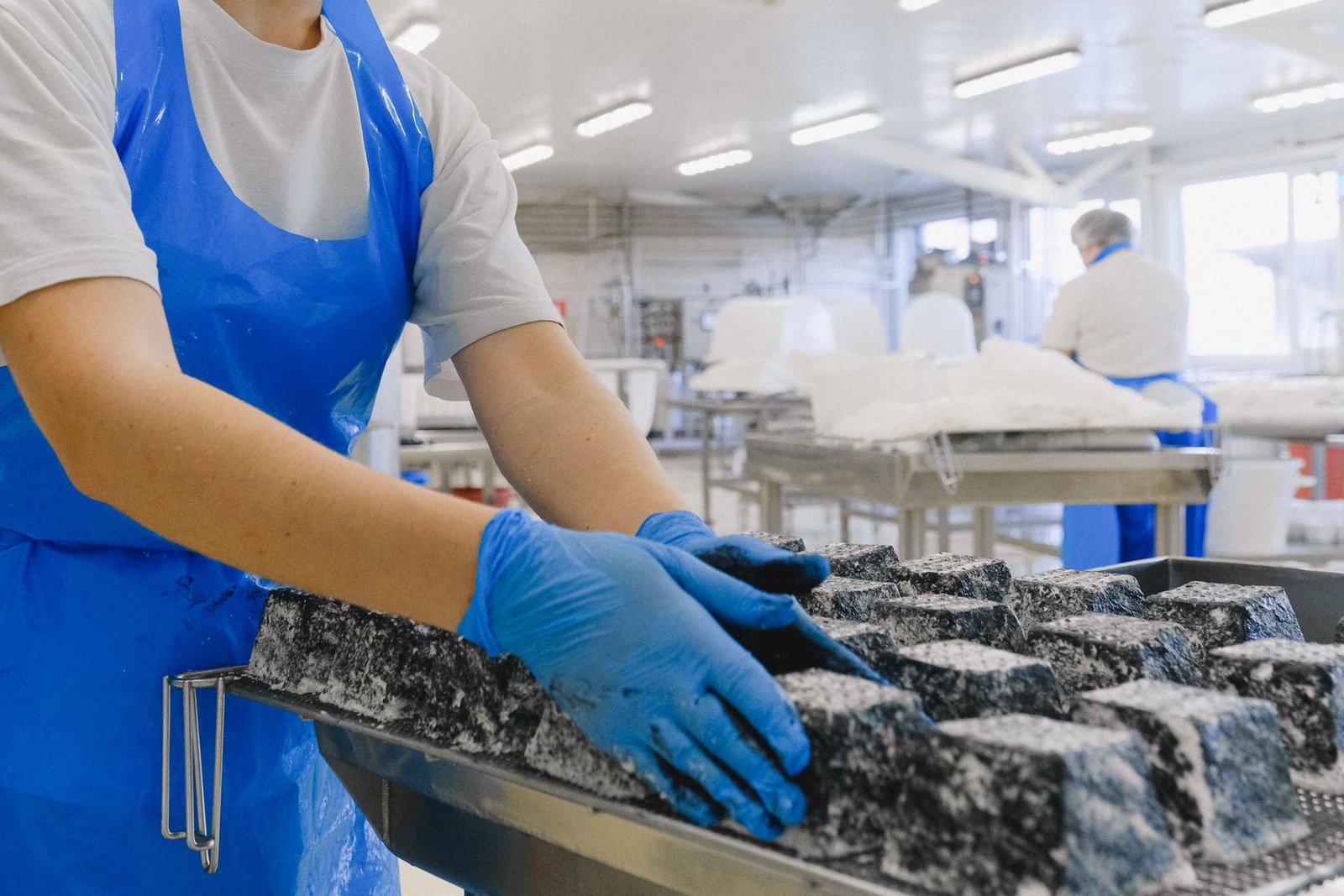
A structured site-level assessment designed to establish a quantified loss baseline, analyze operational causes and develop a prioritized improvement roadmap.
Operational Continuity Program
Turn recommendations into consistent operating practices.
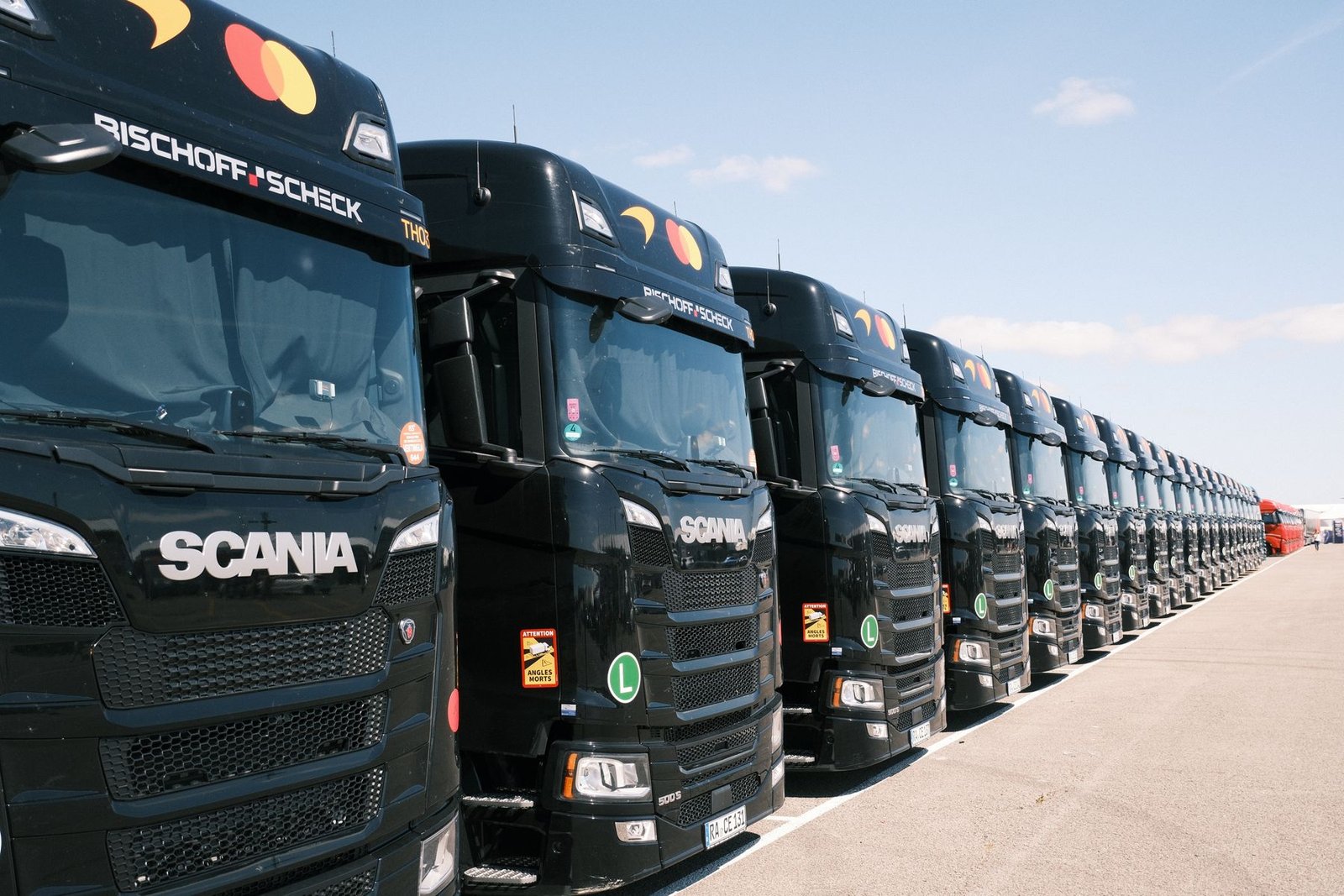
A proposed 12-month implementation model integrating standardized procedures, employee training, KPI monitoring and periodic operational reviews.
Regional Programs
Standardize performance across multiple facilities.
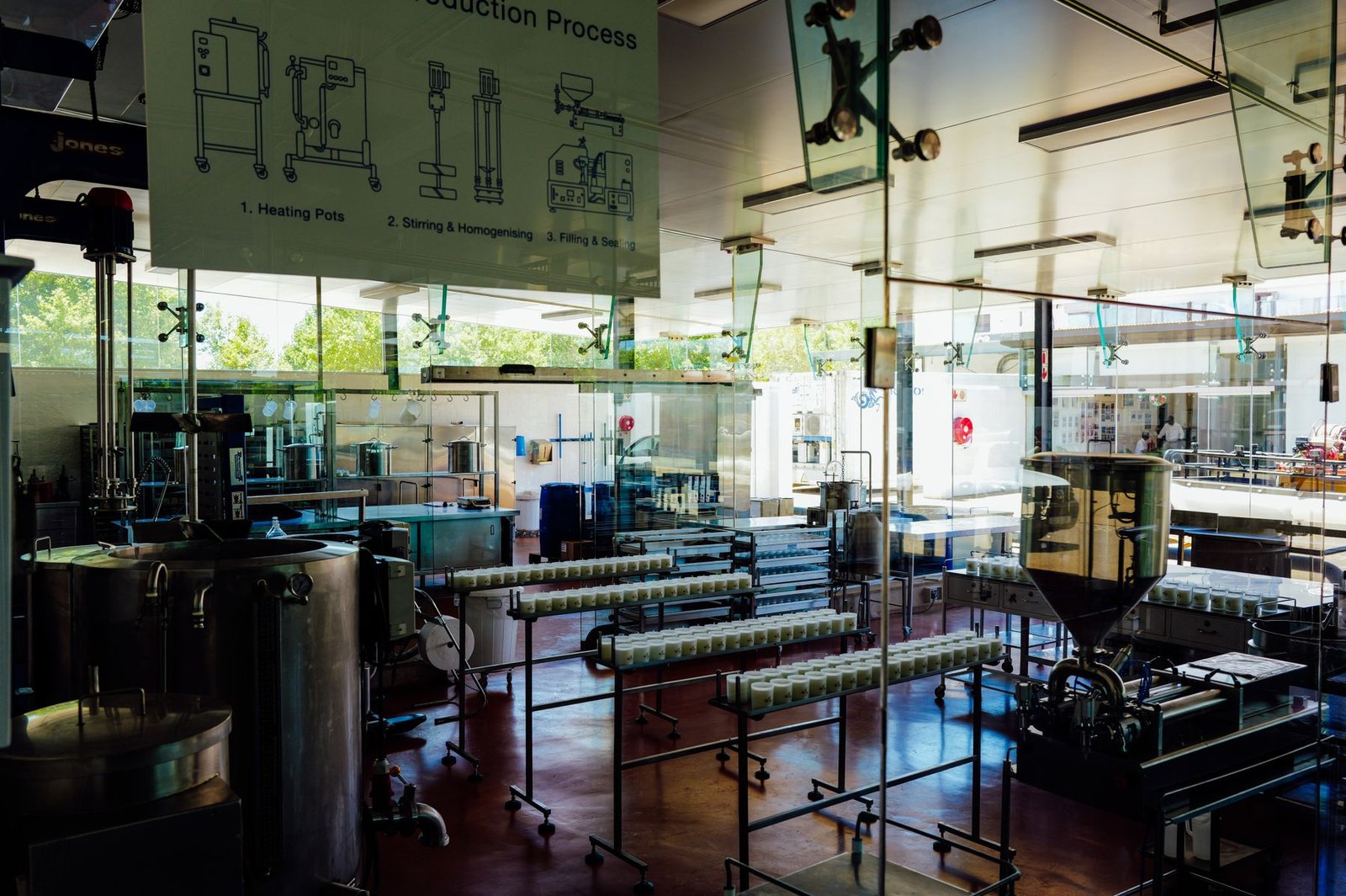
A coordinated approach designed for businesses operating several production facilities, warehouses or distribution sites.
Sector Programs
Build shared operational standards across the food industry.
A proposed industry-level model focused on common measurement practices, professional training, performance benchmarking and scalable loss-prevention methodologies.
WHO WE SERVE
Improving Efficiency Across the Food Supply Chain.
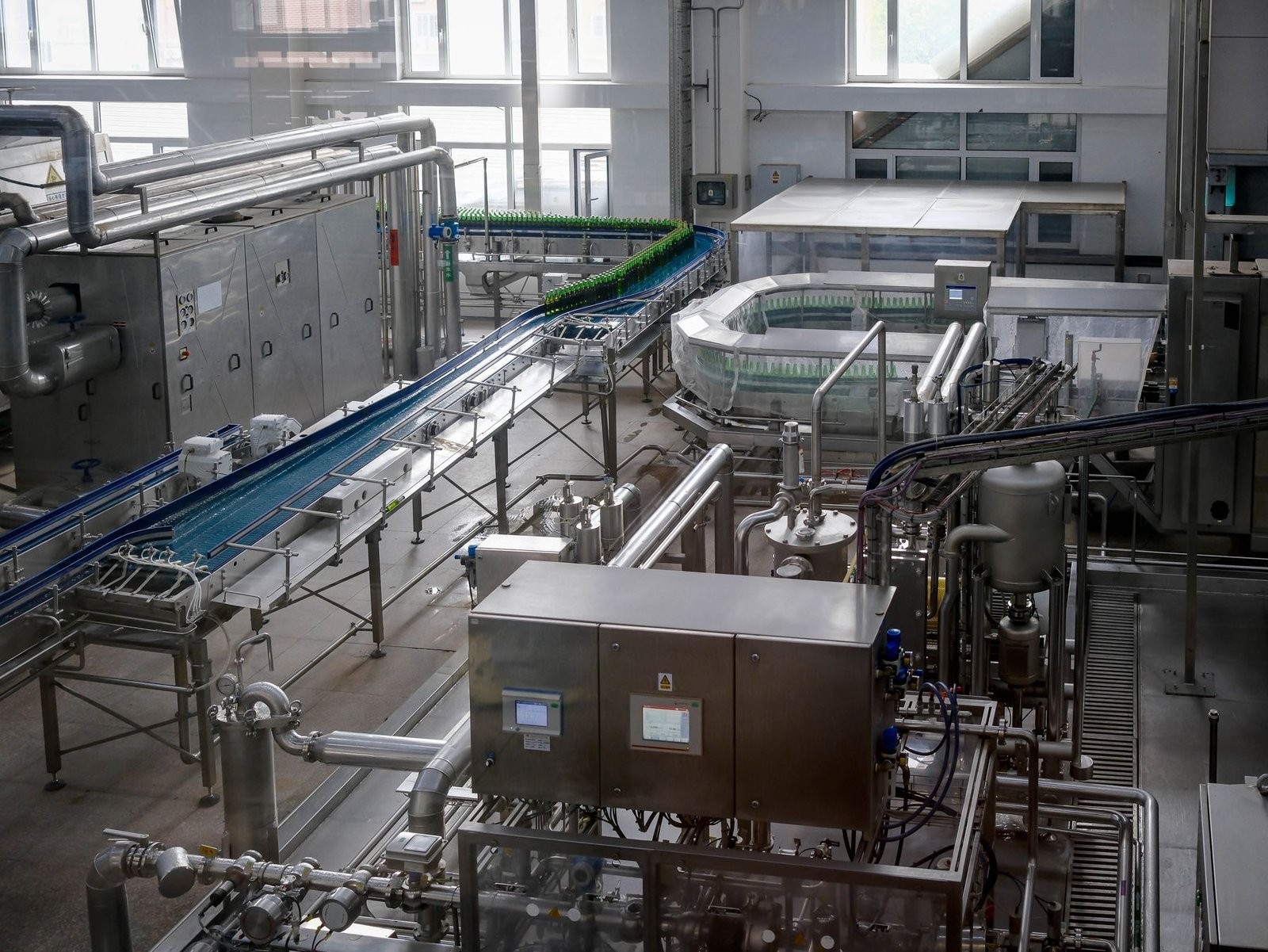
Food & Beverage Manufacturing
Reduce overproduction, manufacturing losses and short-dated finished goods.
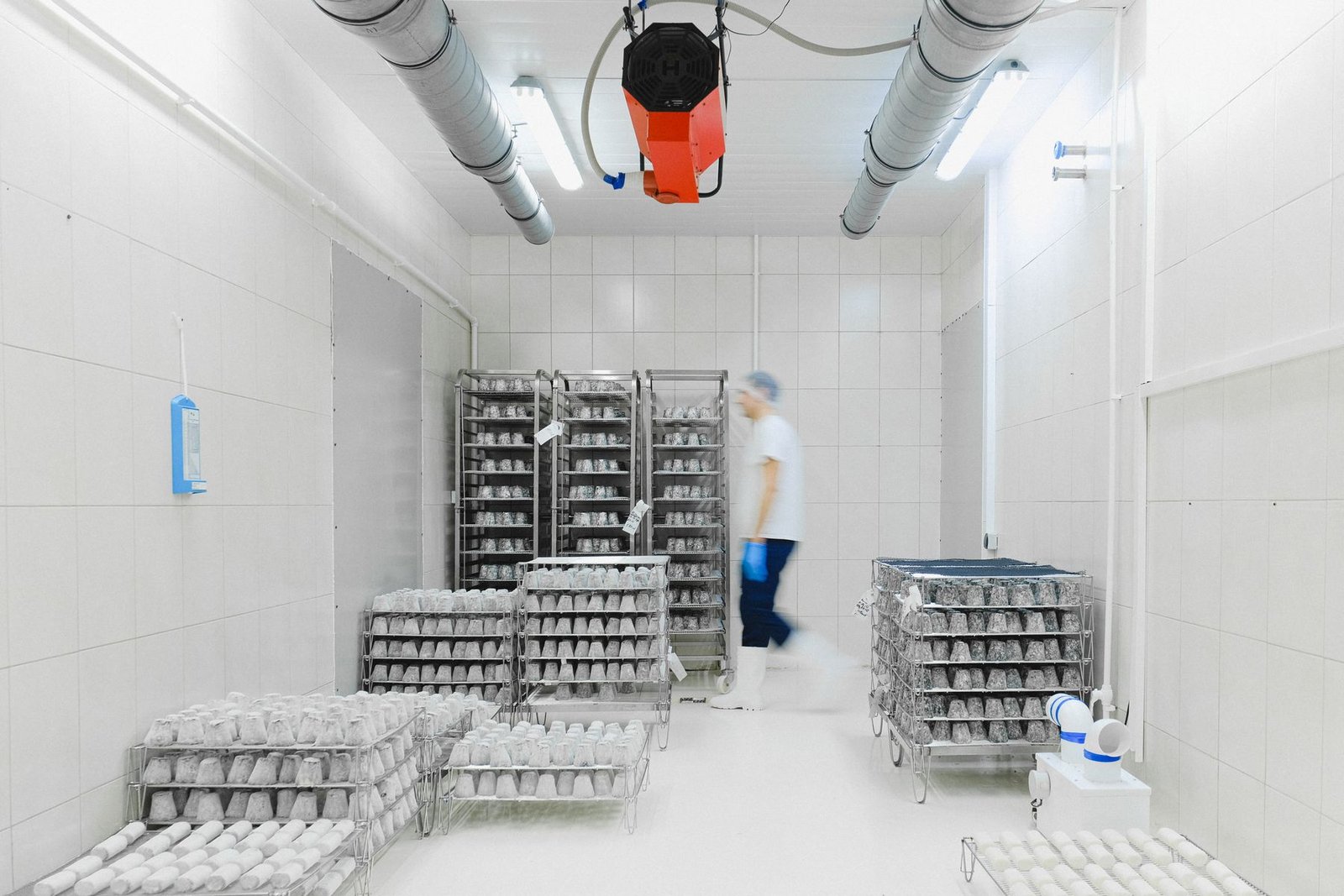
Cold Storage & Warehousing
Strengthen temperature management, inventory rotation and storage efficiency.
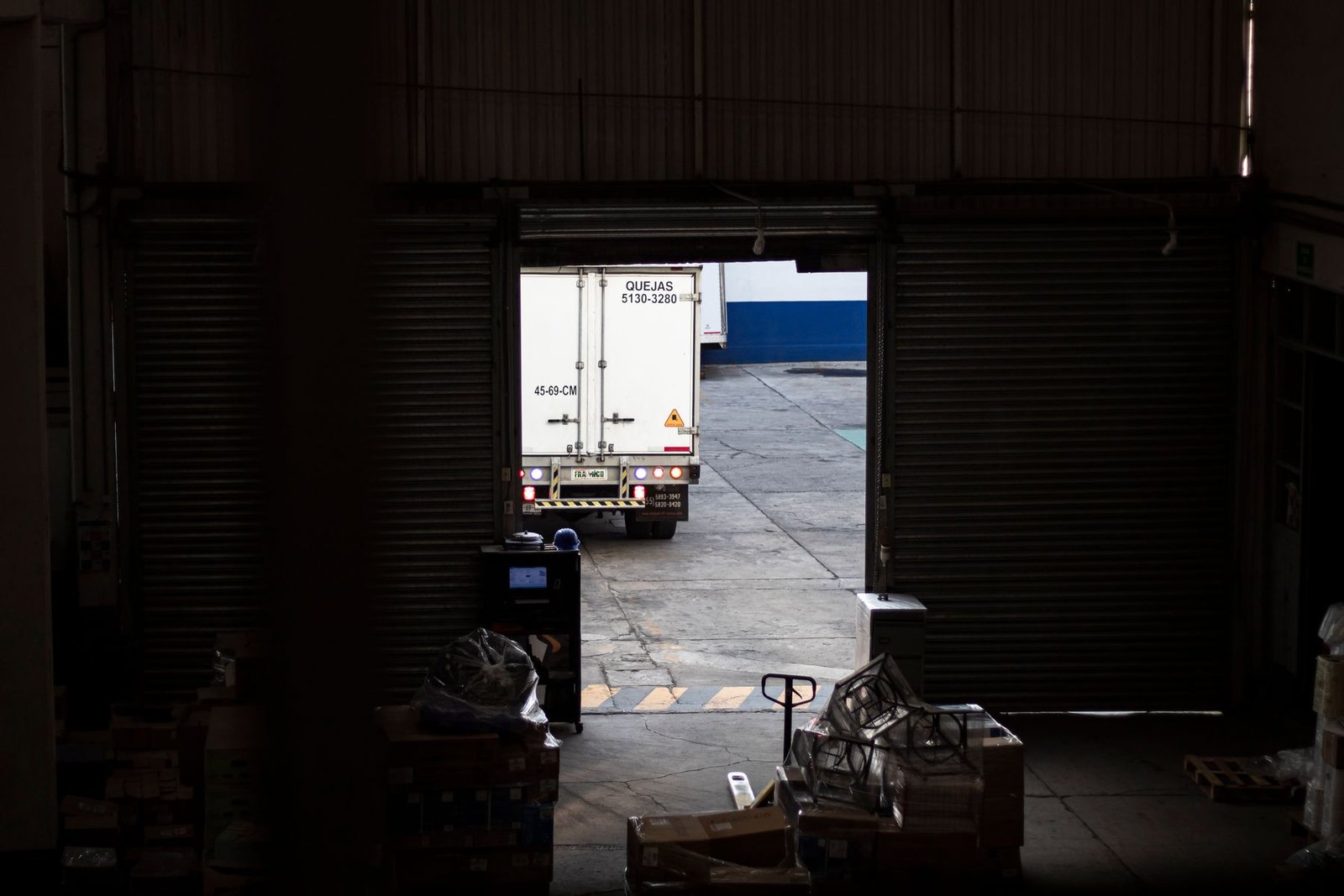
Food Distribution & Wholesale
Improve logistics performance, handling procedures and product-return management.
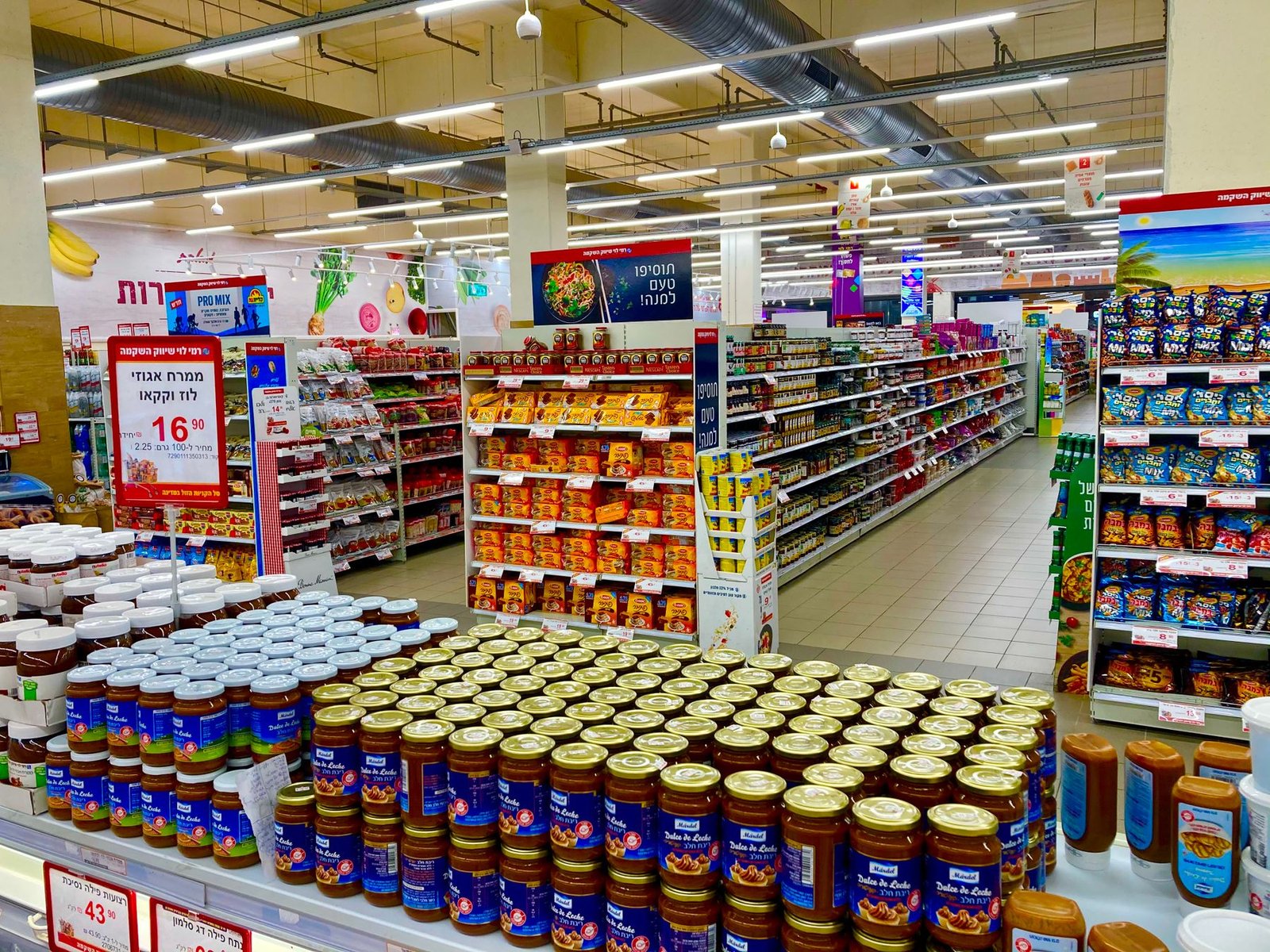
Grocery Retail
Support inventory management, demand planning and the reduction of unsold products.
Food-recovery organizations are envisioned as potential collaborators in redirecting eligible surplus, rather than the program's primary commercial clients.

FOUNDER & TECHNICAL DIRECTOR
Julián Andrés García Otálvaro
More Than 20 Years of Experience in Food Engineering, Supply Chain and Operational Excellence.
Julián Andrés García Otálvaro is a Food Engineer with more than two decades of professional experience in food manufacturing, logistics, demand planning, inventory management and operational optimization.
Throughout his career, he has held technical and management positions in national and multinational food and beverage companies, developing experience in continuous improvement, supply chain management, quality systems and industrial efficiency.
His professional background includes responsibilities within Danone operations in Chile and Colombia, DASA-Alquería, Casa Luker and Pesquera Camanchaca.
Merma Cero represents the development of that experience into a structured, measurable and replicable food loss reduction program for the American food industry.
PROFESSIONAL TRACK RECORD
Real Operational Experience. Documented Results.
0%
reduction in logistics cost per kilogram
DASA-Alquería, 2015–2016
Result measured on a local-currency cost index.
0%
increase in storage capacity
Design and construction of a new distribution center, Casa Luker
81% → 86%
improvement in Safety Forecast Accuracy
DASA-Alquería
0.7% → 0.3%
of sales — reduction in short-dated stock
DASA-Alquería, 2015–2016
Additional previous results: product returns reduced from 6% to 4% at DASA-Alquería; industrial waste reduced by 20% during Julián's planning-management period at Danone Alquería; HACCP and GMP certification achieved for a beverage-packaging operation during his professional work at Danone in Chile.
These are historical professional achievements cited in Julián's Business Plan and referenced curriculum vitae. They are not results already achieved by Merma Cero.
PROFESSIONAL FOUNDATION
Engineering Knowledge. Management Experience. Operational Discipline.
Food Engineering
Universidad de Caldas, Colombia
Academic training in food production, preservation, processing and related engineering disciplines.
Management Skills
ADEN Business School
Complementary professional and management development.
Managerial Development
ADEN – McKenna School of Business
Executive-management education completed alongside multinational operational responsibilities.
Sustainability Education
Diploma in Sustainable Rural Tourism, Fontur Colombia
Complementary training associated with sustainability management and the development of Julián's own business activities.

Illustrative image, not a photograph of the actual property.
ENTREPRENEURIAL EXPERIENCE
Beyond Corporate Leadership: Experience Building and Managing a Business.
Julián's professional background extends beyond multinational food and beverage operations. As the founder and managing director of Ecohotel La Reserva Natural in Colombia, he has developed additional experience in entrepreneurship, operational administration, sustainability practices and business management.
This combination of technical expertise, executive leadership and direct entrepreneurial experience forms an important foundation for the proposed development of Merma Cero.
FIVE-YEAR DEVELOPMENT PLAN
A Measurable Vision for Food Loss Reduction.
The Merma Cero development plan incorporates phased implementation, operational benchmarks, specialized hiring and economic-impact projections. The proposed model is designed to begin with pilot assessments in South Florida and progressively expand through continuity, regional and sector-level programs.
PROJECTIONS — YEAR 5 BASE SCENARIO
~0
sites assessed
Projected cumulative target by Year 5.
0
active continuity clients
Projected Year 5 active portfolio.
0
specialist hires
Planned additional team members, excluding the founder, by Year 5.
~$0M
projected annual recovered value in client operations
Not Merma Cero's revenue, profit or secured savings.
$0
projected Merma Cero program revenue
Base-case scenario, separate from the ~$2.5M of value recovered in client operations.
Five-year projections based on the Business Plan's base-case assumptions. These figures are not historical results or guarantees. Actual results depend on implementation, client participation and operating conditions.
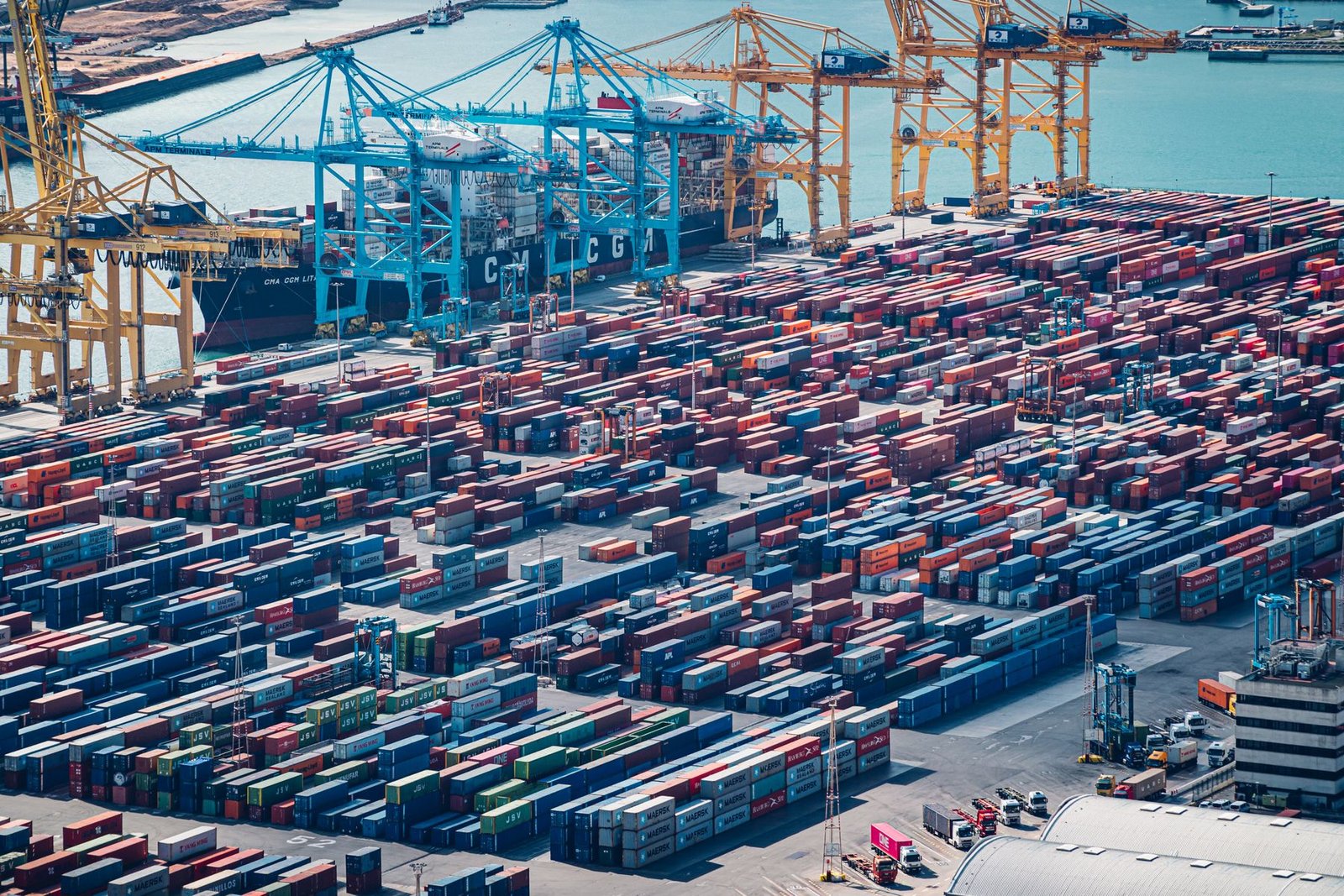
BUILT IN SOUTH FLORIDA. DESIGNED FOR NATIONAL IMPACT.
Starting Where Perishable Food Supply Chains Converge.
Miami, Florida, is the proposed launch location for Merma Cero. South Florida provides an environment for the program's initial validation through engagement with food manufacturers, importers, refrigerated warehouses and distribution operators.
From this initial market, Merma Cero is designed to expand its methodology into additional regions of the United States. The long-term objective is to develop a standardized approach to food loss prevention that can be implemented across different facilities, companies and food-industry segments.
Local Implementation. National Scalability.
The plan anticipates two pilot assessments during Year 1; these have not yet been completed.
BEYOND OPERATIONAL EFFICIENCY
Reducing Waste Creates Value Beyond the Balance Sheet.
Food loss reduction has implications beyond individual companies. By helping businesses identify preventable losses, improve operational procedures and develop food-recovery protocols, Merma Cero aims to contribute to three interconnected objectives.
Economic Efficiency
Recover value by reducing avoidable inventory losses, operational inefficiencies and unnecessary logistics costs.
Environmental Responsibility
Help reduce the amount of food entering waste-disposal pathways through prevention, improved handling and appropriate recovery practices.
Food Recovery
Support the identification and redirection of eligible edible surplus through suitable food-recovery channels.
The proposed program combines these objectives through a single operational methodology centered on measurement, prevention and continuous improvement.
OUR VISION
A Food Supply Chain Where More Food Reaches Its Intended Destination.
Merma Cero envisions a food industry in which preventable losses are systematically identified, operational processes are continuously improved and businesses are equipped with the tools needed to make measurable progress.
Our proposed approach combines engineering knowledge, standardized procedures, professional development and operational data to help build more efficient and resource-conscious food supply chains.
Measure Loss. Optimize Operations. Recover Value.
FREQUENTLY ASKED QUESTIONS
Frequently Asked Questions.
Merma Cero is a proposed U.S.-based technical program focused on helping food and beverage businesses identify, measure and reduce food loss and waste across their supply chain operations.
Merma Cero was conceived by Julián Andrés García Otálvaro, a Food Engineer with more than 20 years of professional experience in food manufacturing, logistics, demand planning and supply chain management.
The program combines quantified food-loss assessments, standardized operating procedures, specialized training, KPI monitoring and food-recovery protocols.
The primary target sectors include food and beverage manufacturing, refrigerated warehousing, grocery distribution, food wholesaling and food retail.
The proposed launch market is Miami and the broader South Florida region, with a phased plan for expansion into additional U.S. regions.
No. The Business Plan proposes a proprietary training and certification framework. It should not be confused with government accreditation or independent certification.
No. Zero-Loss describes the program's direction and operating objective. Actual reductions will be measured against each participating facility's baseline.